Source Book Stitching Chain for Binding, Sewing, and Printing
Compare 30 book stitching chain options from verified suppliers in Guangdong, China. Buyers can evaluate semi-automatic and automatic models with varying sewing speeds, needle configurations, and maximum sewing sizes to find the right equipment for their production needs; compare the available evidence and request quotations based on your requirements.
Key considerations
Products List
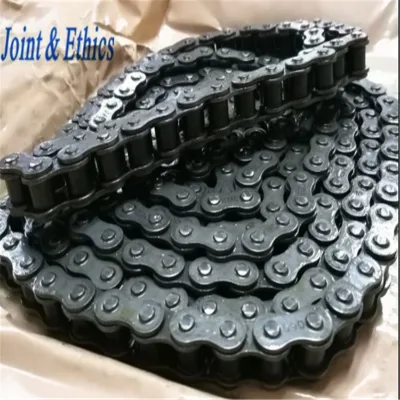


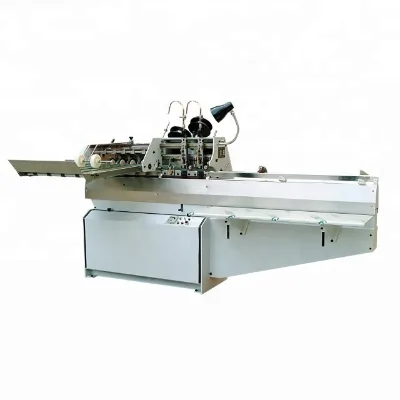
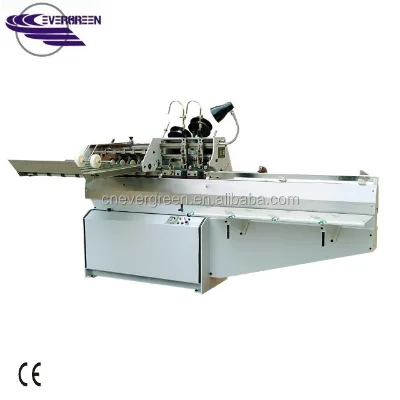
Automatic Paper Stitch High Speed Book Binder Notebook Threading Machine
$110000.00 - $113000.00
Moq: 1





Comprehensive Sourcing Guide
Book Stitching Chain Sourcing Guide
Procuring reliable book stitching chain equipment requires a nuanced understanding of semi-automatic and computerized binding machinery capabilities. Buyers must distinguish between simple wire binding tools and complex sewing heads capable of handling high-volume production runs. The market offers diverse models, from compact units to large industrial systems, each serving distinct operational needs within the printing and publishing supply chain.
This guide focuses on verifying technical specifications, ensuring compliance with safety standards, and evaluating commercial terms for machinery originating from major manufacturing hubs. By aligning machine capabilities with specific production volumes and paper types, procurement teams can avoid costly mismatches between equipment performance and operational demands.
Product Scope and Observed Listing Signals
The observed product landscape includes a wide array of binding solutions, ranging from basic wire binding machines to advanced semi-automatic sewing units. Listings indicate a significant price variance, reflecting differences in automation levels, brand components, and structural robustness. Buyers should note that "book" as a product type often encompasses various binding methods, requiring careful distinction between simple stapling and intricate chain stitching processes.
Key attributes such as "Offset printing" compatibility and "Paper & Paperboard" material handling suggest these machines are designed for professional publishing environments. The presence of specific model numbers like ASTER 180 and DQ404-02C highlights the importance of verifying exact machine configurations. Procurement teams must scrutinize whether the listed "Semi-automatic" grade meets their throughput requirements or if fully computerized systems are necessary for consistent quality.
Technical Specifications to Verify
Critical verification points include sewing speed, needle configuration, and maximum sewing size capabilities. For instance, certain models support up to 50 cycles per minute with a maximum of 10 needle groups, while others operate at 45 cycles with 8 needle sets. Buyers must confirm that the machine’s physical dimensions, such as 278015001500mm or 720018001550mm, fit within their facility’s spatial constraints and workflow layout.
Additionally, the stitching head brand, such as Hohner, and the number of heads (2 or 4) directly impact durability and output consistency. Verification of paper inputting types, whether continuous feeding or other methods, ensures compatibility with existing paper handling systems. Buyers should also check the binding thickness limits, typically ≤20mm, to ensure the machine can handle the specific book formats they intend to produce.
Compliance and Safety Documentation
Safety compliance is paramount when operating high-speed sewing and binding machinery. Buyers must ensure that all equipment meets export standards and local electrical safety regulations, particularly regarding power requirements which can range from 0.55 Kw for smaller units to higher capacities for industrial systems. Documentation should clearly outline emergency stop mechanisms, guard interlocks, and noise level certifications to protect operator health.
Furthermore, verification of machine weight, such as 360 Kg for certain models, is essential for determining floor load requirements and installation logistics. Buyers should request detailed safety manuals and certification proofs from suppliers to ensure that the machinery adheres to international safety directives. Proper documentation also facilitates smoother customs clearance and reduces the risk of regulatory penalties in the destination market.
Cost Drivers and Commercial Terms
Pricing for book stitching chain equipment is influenced by automation level, brand components, and packaging requirements. Observed price ranges are broad, reflecting the diversity from basic units to complex, multi-head sewing systems. Buyers should analyze whether the cost includes essential accessories, such as specialized needles or thread guides, which can significantly impact the total cost of ownership.
Commercial terms often involve strong packaging, such as wooden cases or seaworthy export packing, which adds to the initial cost but protects the machinery during transit. Minimum Order Quantities (MOQ) can vary widely, from single items to larger batches, affecting negotiation leverage. Buyers must clarify whether customization options are included in the base price or charged separately, as this can alter the final invoice significantly.
Supplier Qualification and Quality Control
Supplier qualification should focus on manufacturing experience, component sourcing, and after-sales support capabilities. Buyers must verify the origin of critical components, such as stitching heads, to ensure reliability and availability of spare parts. Suppliers with a strong reputation in the Guangdong region often provide robust support networks, but buyers should still conduct thorough due diligence on their quality control processes.
Quality control checks should include factory audits to assess production consistency and testing protocols for finished machines. Buyers should request video demonstrations of the machine in operation to verify sewing speed, stitch quality, and ease of use. Establishing clear communication channels for technical support and maintenance is crucial for minimizing downtime and ensuring long-term operational efficiency.
Long-Term Procurement Checks
Long-term success depends on the availability of spare parts, technical training, and software updates for computerized models. Buyers should establish a maintenance schedule and verify the supplier’s ability to provide timely repairs and replacements for wear items like needles and thread guides. A reliable supplier will offer comprehensive training programs to ensure operators can maximize machine performance and minimize errors.
Additionally, buyers should monitor technological advancements in binding machinery to ensure their equipment remains competitive. Regular reviews of supplier performance, including delivery times and product quality, help maintain a strong partnership. By focusing on these long-term factors, procurement teams can secure a sustainable supply chain for their book stitching needs.
FAQs
What types of book stitching machines are available?
The available options include semi-automatic wire binding machines and paper folding machines. These units feature specific stitching heads and varying needle group capacities to suit different production needs.
Can I customize the book stitching equipment specifications?
Yes, customization is available for the book stitching chain products listed. Buyers can request specific model numbers like ASTER 180 or DQ404-02C to match their unique production requirements and binding thickness needs.
Which paper types work with these stitching machines?
These machines are designed to handle offset paper effectively for book production. The equipment supports various sewing sizes ranging from 100mm to 460mm depending on the specific model selected for your workflow.
How fast can the stitching machines operate?
Sewing speeds vary by model, with some units operating at 45 cycles per minute and others reaching 50 cycles per minute. The speed depends on the specific machine configuration and needle set arrangement.
What are the standard packaging requirements for export?
Products are packed in strong wooden cases or strong seaworthy export packing to ensure safety during transit. This packaging meets export standards and protects the machinery from damage while shipping from China.
Where are these book stitching machines manufactured?
All listed products originate from Guangdong, China. The manufacturing location ensures compliance with export standards and provides access to a robust supply chain for industrial book binding equipment.